How Place to Talk Began | Place to Talk Therapies
For a long time, I believed education belonged to other people.
At school I was bullied, badly enough that I pretty much stopped going. I left without the exams I needed and so began the process of college where I was able to resit exams and take other subjects my school had not offered. I always wanted to train as a nurse, but for that I needed to pass math's, I failed it three times. In between gaining my qualifications, I worked in care homes, still holding on to the thing I had wanted since childhood, to become a nurse.
When I finally passed my math's, I began my nurse training. I qualified, worked in neurology for a couple of years, and then went on to train as a midwife.
When life changed shape
I married and after a couple of years had my first child. Around that time my dad had a heart attack. He recovered, but soon afterwards my mum became terminally ill. By now I had started home educating, and over the next twenty years I home educated my children. Alongside that, I ran several home education groups, trained as a swimming teacher, and later worked as a family liaison officer for a counselling charity.
Looking back, each of these roles asked something similar of me: to stay alongside people while they learned something difficult, at a pace that felt safe for them. Mentoring and supporting others wasn't a plan, more a place I kept returning to.
When my youngest was at sixth form, I started to think about what came next for me and I began to explore counselling. Four years later, I graduated with a first-class BA (Hons) in Integrative Counselling. For someone who had spent most of her life feeling intimidated by education, that meant more than I can easily say.
Looking back, the girl who stopped going to school needed safety far more than she needed another exam.
What the work taught me
My training placements included bereavement work with Cruse during the COVID years, a placement with a YMCA counselling service, and later an agency supporting survivors of sexual trauma and childhood abuse, where I went on to work as an associate counsellor for almost two years.
After qualifying, and alongside setting up Place to Talk, I also worked for an agency providing counselling services, mainly to postgraduate and PhD students spending their study years overseas. Many were a long way from home and from the people who knew them best, which deepened my understanding of how much it matters to have somewhere to be heard, whether that place is a room or on a screen.
Working with trauma, PTSD and C-PTSD has shaped the way I practise. Nobody I sat with then was broken or in need of fixing, and the same is true of every client I see today. What people need is to be witnessed and validated, and to be met with the dignity they have been owed all along.
My degree research explored the same territory: what happens when a person's intrinsic worth is witnessed and validated rather than questioned. I know something of what it is to carry other people's verdicts about you for years, perhaps even decades. That research gave me language for it, and it still sits underneath everything we do at Place to Talk.
Why "Place to Talk"
I chose the name while I was still a student counsellor. I wanted something that carried no hint of diagnosis, nothing to suggest a person had to be unwell or in crisis to deserve support.
Many people who come to us have not had anywhere to say the things they carry, sometimes for a very long time. The name is the promise: a place to talk.
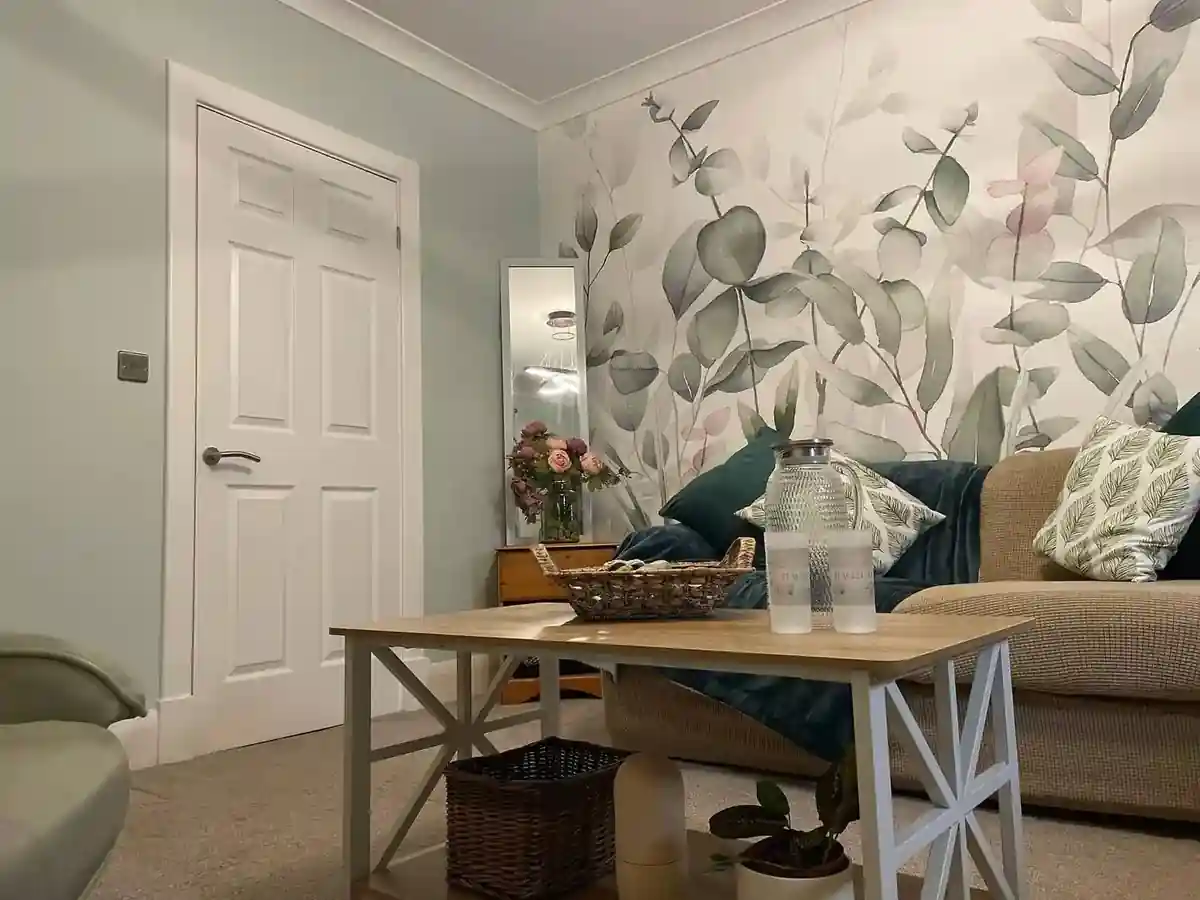
From one room to a team
From 2020 to 2024, Place to Talk was a solo practice, just me. In 2025 a peer joined me for a time, and later that year Roger and Helen became part of the counselling team, alongside Scott, a trainee counsellor who provides our low-cost service. Place to Talk became Place to Talk Therapies.
Between us, we now offer support in Bournemouth, Ferndown in Dorset and Burbage in Leicestershire, and online therapy across the UK and beyond.
What I hope you find here
Each of us brings different experiences and training. What we share is the belief at the heart of this practice: your responses developed for a reason, and you deserve to be heard and understood, and to have those responses validated, so that you can choose what changes, and when.
If you have not had a place to say what you carry, this can be one.
There is no crisis threshold to meet, and you don't need to have the words ready. You can come as you are. You can take your time. You can be heard.
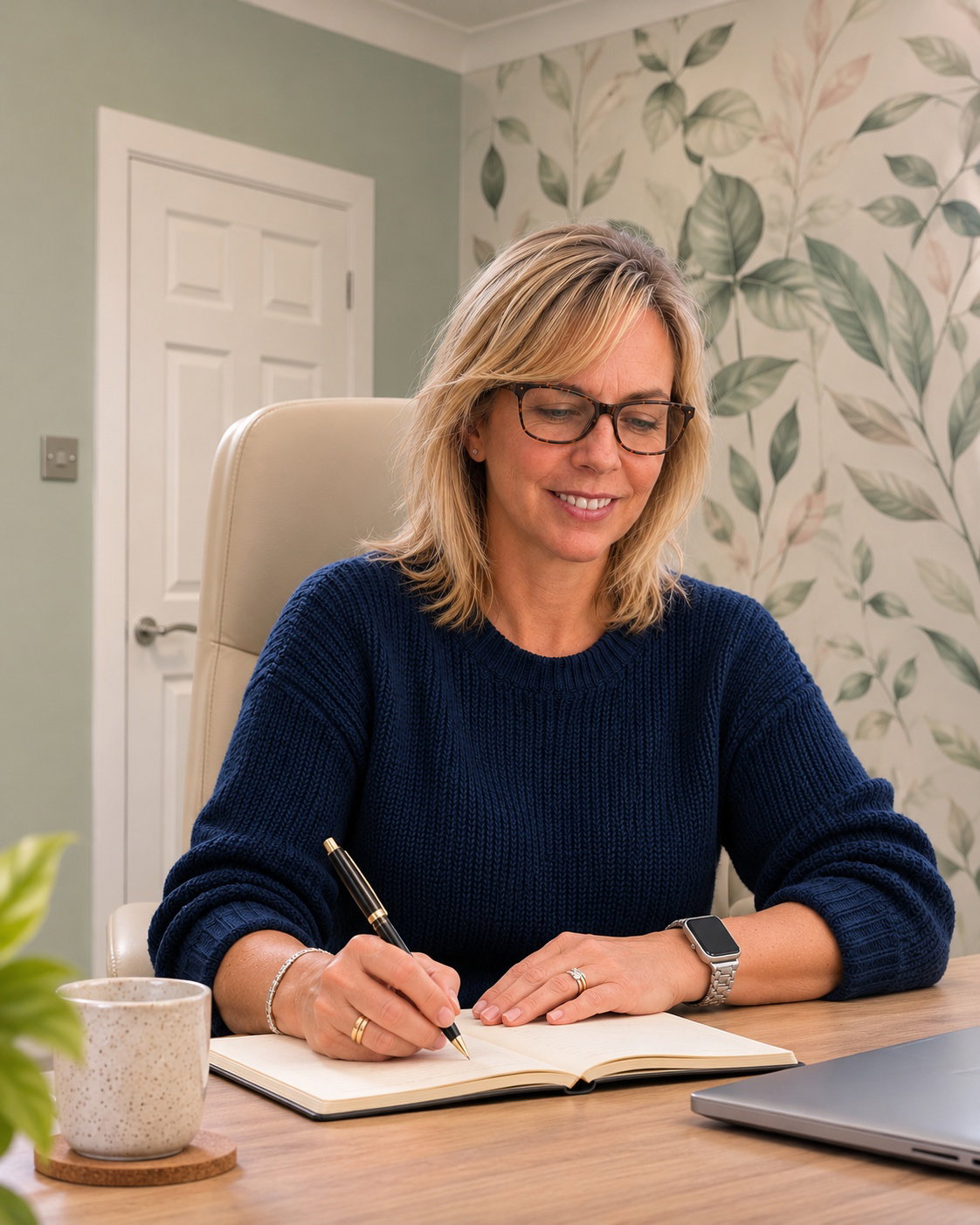
Written by:
Kay Parkinson
Place to Talk Therapies
Kay is a UK-based therapist specialising in trauma, emotional neglect, shame and identity. Her work explores how experience can shape self-worth, relationships and the way we see ourselves, with a particular interest in helping people move from judgement towards greater compassion and honour for themselves.