COUNSELLING AND PSYCHOTHERAPY
Trauma-informed, neurodivergent-affirming and shame-sensitive Counselling, psychotherapy, EMDR and couples counselling for adults. Bournemouth, Ferndown Dorset and Burbage, Leicestershire Online across the UK and internationally.

The two terms are often used interchangeably, and in practice there's a lot of overlap.
Broadly, counselling tends to focus on a specific issue or a difficult period, something recent, something with a clearer shape, where the aim is to help you understand it and find a way through.
Psychotherapy tends to go a little deeper. It often explores patterns that have built up over a longer time, in relationships, in how you see yourself, in how you respond when things feel difficult, sometimes reaching back into earlier experiences that still shape how life feels now.
Neither is a fixed category, and you don't need to know which one you need before you start. Many people move between the two without ever noticing a clear line, and the way we work adapts to what's actually needed, session by session, rather than sticking rigidly to one label.
Trauma-informed
Trauma-informed practice isn't a technique; it's a way of working. We understand that difficult behaviour, strong emotional reactions and a struggle to trust often make sense in the context of what someone has lived through.
Safety comes before insight. A nervous system that doesn't feel safe cannot fully engage in change.
In practice, that means working at your pace, never assuming what you're ready to talk about, and recognising when something feels "too much, too soon."
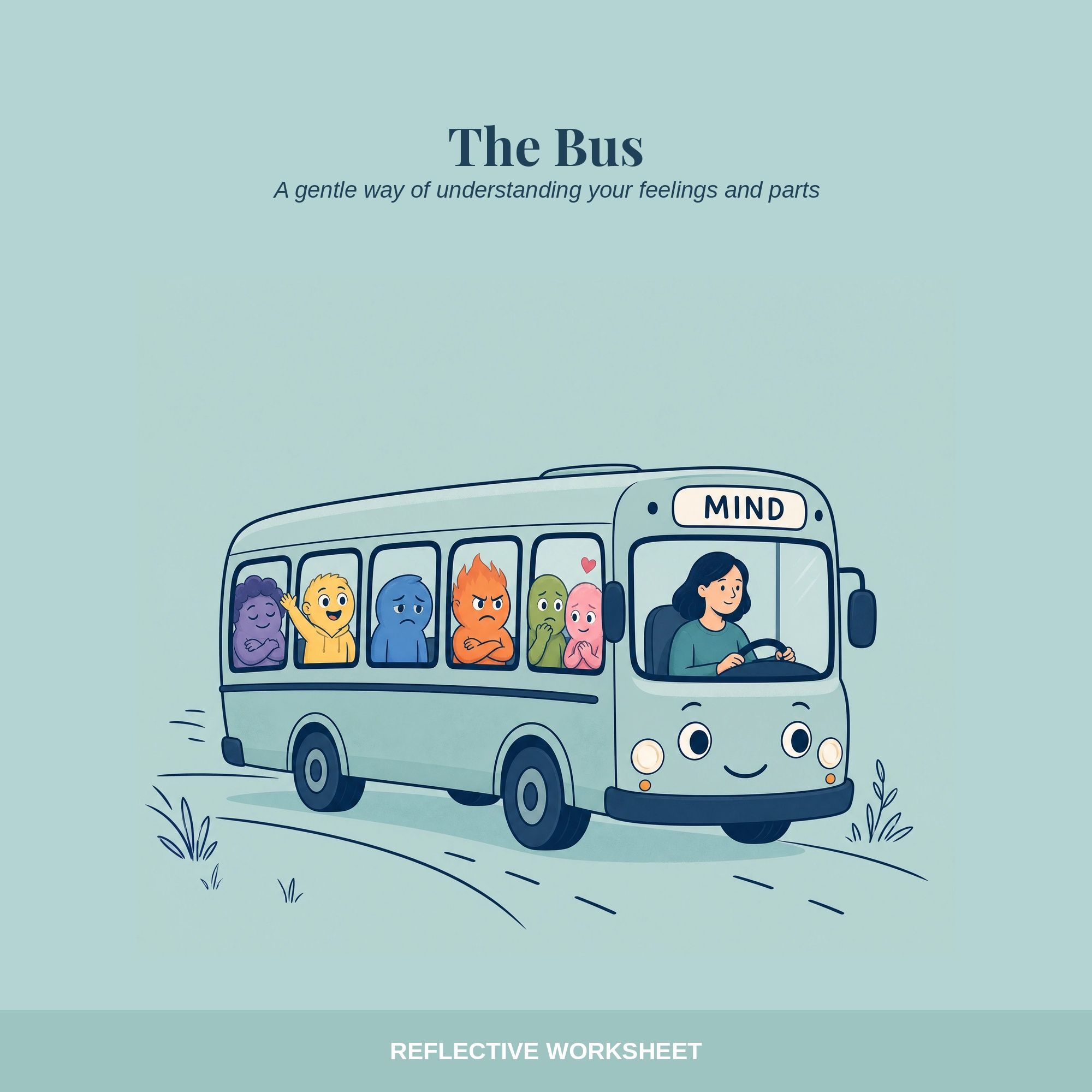 For this free download click on the image
Neurodivergent-affirming
A neurodivergent-affirming approach recognises neurodivergent ways of thinking, feeling and relating as differences, not deficits.
We don't work to make anyone more "typical". We work to help you understand yourself with greater self-compassion, including the impact of masking, sensory overwhelm and years of being told you're "too sensitive" or "too much".
Shame-sensitive
Shame is different from guilt. Guilt says, "I did something wrong." Shame says, "There is something wrong with me."
Much of what people carry into therapy isn't simply what happened, but the meaning shame attached to it.
Working with shame means going slowly. We honour what has been protected by staying hidden rather than rushing to expose it. Nothing is pushed before you're ready. Trust comes first, and the work grows from there.
You may also find the Resource Library helpful, either while you're waiting to begin therapy or alongside your sessions.
→ RESOURCE LIBRARY
How we work
We don't expect you to fit a particular model of therapy. Instead, we draw on a range of evidence-informed approaches, including CBT, EMDR, attachment theory and integrative psychotherapy, tailoring our work to your individual needs, experiences and pace.
Sessions usually last 60 minutes and take place weekly or fortnightly. Some people come for a few months to work through a specific difficulty, while others stay longer to explore deeper patterns. We'll regularly review what feels most helpful, with no expectation that therapy should fit a set timetable.
EMDR Within Therapy
For some people, talking therapy is enough to make sense of difficult experiences. For others, traumatic memories continue to feel emotionally overwhelming, even when they understand what has happened.
In those situations, EMDR (Eye Movement Desensitisation and Reprocessing) can be integrated into therapy to help the brain process distressing memories. Used alongside counselling, it can reduce the emotional intensity of traumatic memories, making it easier to engage in the wider work of understanding patterns, strengthening relationships and moving forward.
If you'd like to explore whether EMDR might complement your therapy, you can find out more on our
→ FIND OUT MORE ABOUT EMDR THERAPY
Getting started
If any of this resonates, we'd be happy to hear from you. Get in touch and we'll arrange a free introductory call. It's an opportunity to ask questions, tell us a little about what's brought you here, and decide whether we're the right fit.
There's no obligation and no pressure to have the right words ready.