Birth Trauma: Signs, Symptoms, and When to Seek Support in Bournemouth & Dorset
Birth trauma is more common than many people realise and more misunderstood. If your birth experience has left you feeling shaken, fearful, or unlike yourself, this guide is here to help you understand what you're going through and find the compassionate, specialist support you deserve.
What Is Birth Trauma?
Birth trauma is the emotional and psychological impact of a distressing or frightening childbirth experience. It can arise from physical complications, feeling unheard or unsafe during labour, a sudden emergency, or simply the overwhelming shock of what happened, even if others tell you the birth "went well."
Your experience is valid. Your feelings matter. Birth trauma is not about the outcome of the birth, but about how it felt to you.
Recognising the Signs of Birth Trauma
Emotional and Psychological Symptoms
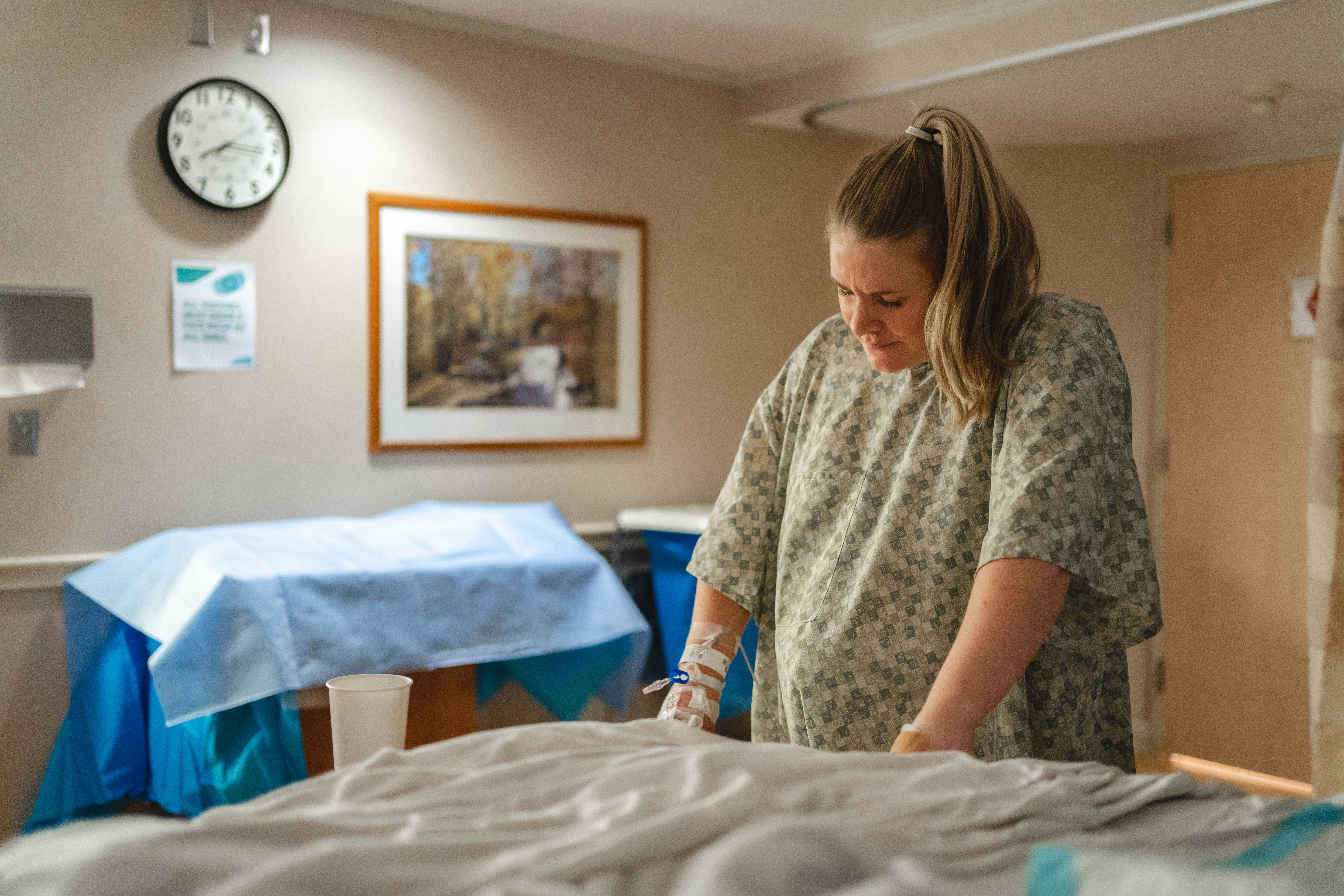
Many people carry birth trauma without realising there's a name for what they're experiencing. You might notice:
- Flashbacks or intrusive memories of the birth
- Nightmares or persistent sleep disturbances
- Intense anxiety or panic when thinking about the birth
- Avoiding people, places, or conversations connected to pregnancy or childbirth
- Feeling detached from yourself, your baby, or your partner
- Persistent sadness, anger, guilt, or shame
- Feeling constantly on edge, as if something bad is about to happen
- Difficulty bonding with your baby
- Feeling isolated, misunderstood, or no longer like yourself
These are recognised trauma responses, not signs that something is "wrong" with you, or that you're failing as a parent.
Physical Symptoms Linked to Birth Trauma
Trauma doesn't only live in the mind. Your body holds it too. Physical signs can include:
- Unexplained tension, pain, or body aches
- Numbness or disconnection in certain areas of your body
- Headaches, digestive issues, or stress-related weight changes
Recognising these physical signals is an important part of understanding your full experience.
When Is It Time to Seek Support?
There's no threshold you have to reach before asking for help, but professional support is especially valuable if:
- Your symptoms are affecting your daily life or relationships
- You're feeling overwhelmed, stuck, or unable to move forward
- You have fear or dread around future pregnancies
- You're struggling to care for yourself or your baby
- You simply feel that something isn't right
You don't have to be "bad enough" to deserve support. Reaching out early can make a real difference.
Specialist perinatal mental health therapists are available locally across Bournemouth, Poole, Christchurch, and the wider Dorset area.
How Therapy Can Help with Birth Trauma
Trauma-Informed Therapy
A trauma-informed approach offers a safe, non-judgmental space to:
- Make sense of what happened and how it has affected you
- Explore your feelings without pressure or blame
- Rebuild your sense of safety, identity, and connection
- Gently reduce shame and self-criticism
This kind of therapy works at your pace, respecting your resilience every step of the way.
EMDR Therapy for Birth Trauma
EMDR (Eye Movement Desensitisation and Reprocessing) is one of the most evidence-based and effective therapies for traumatic birth experiences. It can help:
- Reduce the distress attached to specific birth memories
- Reprocess the experience in a safe and structured way
- Ease flashbacks and emotional triggers
- Restore a sense of calm, grounding, and control
Many people across Bournemouth and Dorset choose EMDR because it's gentle, effective, and doesn't require you to talk through the trauma in detail.
Integrative and Shame-Informed Counselling
No two people experience birth trauma in the same way. An integrative approach combines methods, potentially including EMDR, CBT, and person-centred therapy, to create support that fits your specific needs. Shame-informed therapy is particularly helpful if you're carrying guilt or self-blame, helping you move from harsh self-judgment toward self-compassion and a renewed sense of worth.
You Are Not Alone
Many parents across Dorset experience birth trauma in silence, feeling unable to speak about it or unsure whether their experience "counts." It does. Healing can begin with something as simple as naming what happened. Whether through therapy, trusted loved ones, or peer support groups, sharing your story in a safe space can lift the weight of isolation and help you feel genuinely understood.
Steps Toward Recovery
Recovery from birth trauma is not a straight line and that's okay. Small, consistent steps can create meaningful change:
- Regular sessions with a trauma-informed therapist
- Mindfulness or grounding exercises to help regulate your nervous system
- Self-compassion practices to counteract shame and self-blame
- Gentle activities that restore a sense of joy, calm, or connection
Every step forward matters. With the right support, you can reclaim your sense of self, rebuild your confidence, and look ahead with genuine hope.
Begin Your Healing Journey in Bournemouth & Dorset
If you're based in Bournemouth, Poole, Christchurch, or the surrounding Dorset area and you recognise yourself in any of what you've read, compassionate and specialist support is here for you.
You deserve to heal.You deserve to feel safe.You deserve to feel like yourself again.
Place to Talk Therapies
Building resilience | Inspiring hope
Kay is a UK-based therapist and creator of The HONOUR Framework, specialising in shame- and trauma-informed, neuro-affirming practice. She is passionate about fostering empathy, authenticity, and understanding in therapeutic and professional relationships. Through her writing, Kay encourages reflective, compassionate approaches that honour the complexity and resilience of the human experience.