When Relationships Feel Difficult
A couples therapist's honest account of what sits beneath disconnection, why shame keeps people from asking for help, and why reaching out is an act of authentic self-honour.
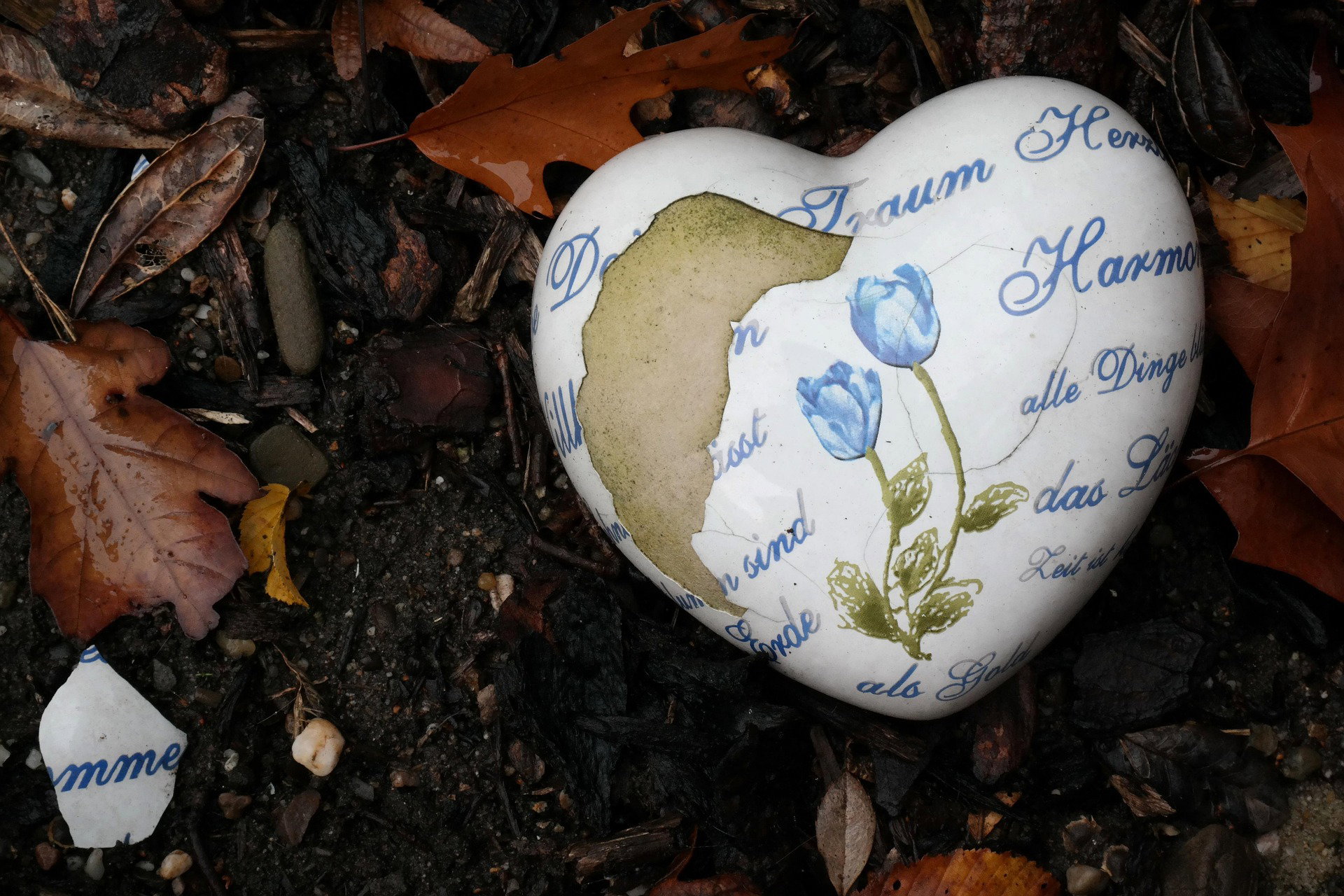
It starts with something small. Someone forgets the bins. A text goes unanswered. One person says, "What's wrong?" and the other says, "Nothing," with all the warmth of a closed fridge door.Most couples know this place. You are not having a blazing row, but you are not really together either. You are making tea, sorting shopping, walking the dog, managing children, paying bills, while something important sits quietly between you.Relationship difficulties rarely arrive all at once. They creep in through tiredness, stress, old hurts, and postponed conversations. What begins as "I'll leave it for now" can slowly become "There's no point saying anything."
What sits beneath the disconnection
None of us arrives in a relationship as a blank page. We bring our histories with us: how love was shown, or not shown; the arguments we witnessed; the losses we survived; and the quiet promises we made to ourselves along the way.Roger Berrie, BACP Accredited Counsellor and qualified Couples Therapist, puts it this way:
"Over time, many couples experience periods of emotional distance or disconnection. This can often develop gradually, shaped by unspoken fears, unmet needs, expectations, past experiences, and deeply held beliefs about relationships that each partner brings into the relationship."

Many couples are also influenced by earlier experiences of hurt, dysfunctional relationship patterns, childhood trauma, attachment wounds, or the accumulated pressure of everyday life. These experiences can profoundly shape how we relate, protect ourselves, communicate, and seek closeness.So the row about the dishwasher may not really be about the dishwasher. It may be the unlucky stage on which an older play is being performed. Underneath might be: "I feel taken for granted." Or, "I feel alone." Or, "I don't know how to reach you any more."
What our emotional reactions are really saying
Arguments in relationships are rarely just about the surface issue. Roger explains:
"Our emotional reactions within relationships are often not simply arguments or overreactions. They can be protests from parts of us that feel unheard, unseen, unsafe or unmet."
The counselling room provides a contained therapeutic space where these needs can be expressed more safely, with support to help each partner listen, understand, and respond in a different way.
What shame does to a struggling relationship
Shame makes all of this harder. It tells us we are too needy, too sensitive, or too difficult. It can make us snap when we are hurting, go quiet when we are longing to be held, or pretend we do not care because caring feels too exposing.Shame also keeps couples from asking for help. It whispers that other relationships do not have these difficulties. That needing support is itself evidence something is irreparably wrong.Honour offers a gentler and more honest path. It says we can tell the truth without throwing it like a brick. We can take responsibility without swallowing all the blame. We can acknowledge we are struggling without concluding we have failed.Seeking help for your relationship is not a confession of failure. It is an act of courage, and of care.
What couples counselling actually offers
Roger describes the purpose of the work clearly:
"The aim is not to place blame, but to create space for greater understanding. In an empathic and supportive environment, many couples begin to see and hear each other differently. This can open the door to renewed emotional connection, deeper intimacy, and a more fulfilling way of being together."
Couples counselling provides a safe, confidential, and supportive space to explore what may be sitting beneath the disconnection. Together, it becomes possible to identify the patterns that keep partners feeling stuck, misunderstood, or emotionally distant, while developing more collaborative ways of communicating, repairing, and reconnecting.
It is not only for crisis
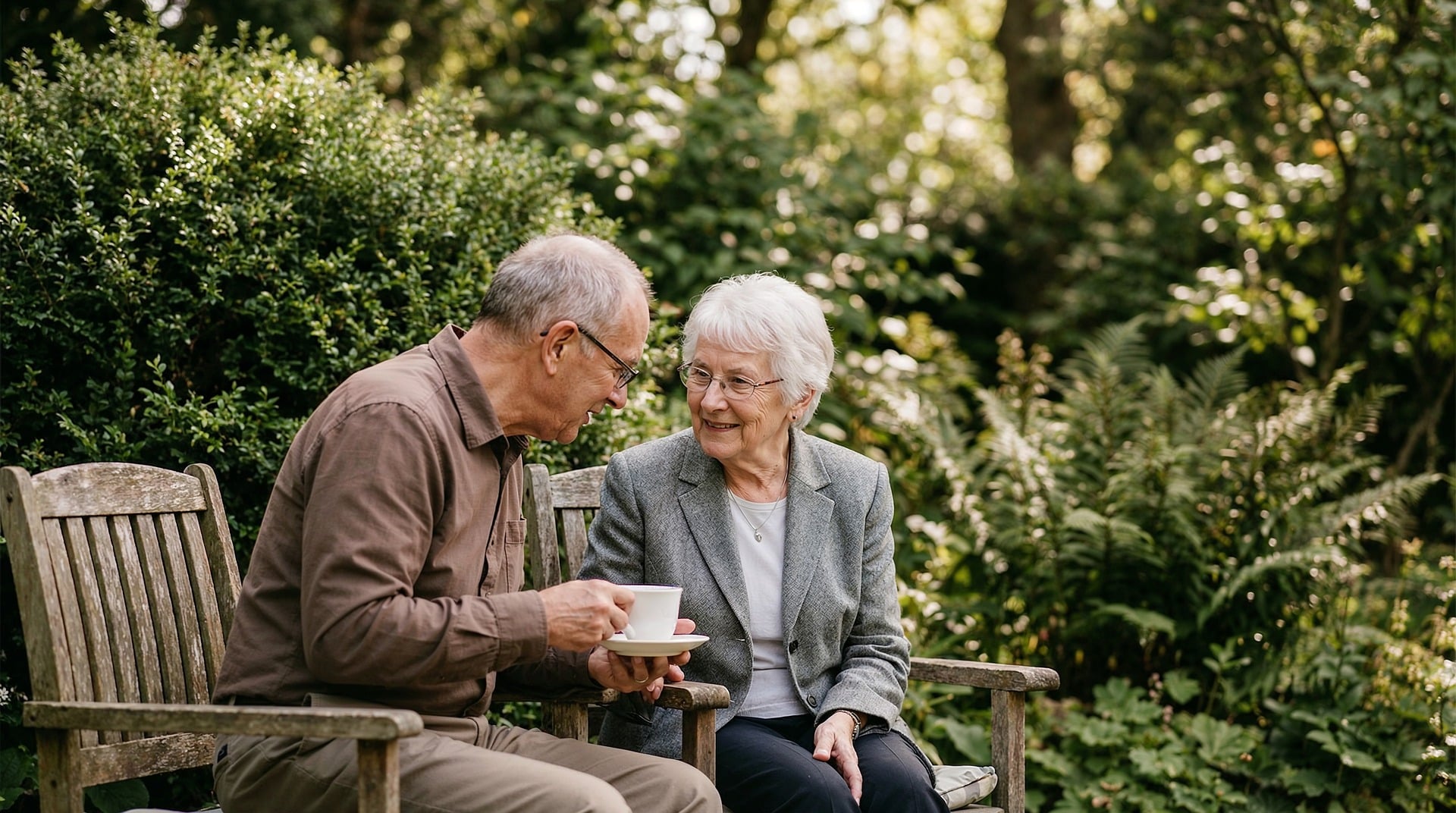
Couples counselling has a reputation for being a measure of last resort. Waiting until the situation is critical means the work is harder and the distance greater.Counselling is also genuinely valuable for couples who are doing reasonably well but want to understand each other more deeply, for those navigating a significant life transition, or for those who can sense something shifting and want to address it before it becomes entrenched.As Roger writes:
"Many couples need help to have these conversations. That is not failure. It is wisdom."
Sometimes love has not disappeared. It has become buried under laundry, defensiveness, old wounds, and the things nobody quite knows how to say.
Working With Roger Berrie at Place to Talk Therapies
Roger Berrie is a BACP Accredited Counsellor, EMDR Practitioner, and qualified Couples Therapist, and associate counsellor at Place to Talk Therapies.His approach is trauma-aware and person-centred. Sessions move at your pace, in a direction that makes sense for your relationship, your histories, and what you actually need, rather than what you feel you should have sorted out by now.If anything in this piece has named something you and your partner have been quietly carrying, you are welcome to arrange a free introductory call to explore whether now is the right time to begin.You do not have to have it all figured out before you reach out. That is what the first conversation is for.
To find out more or to arrange an initial consultation, visit the contact page or send a message directly. Roger looks forward to hearing from you.